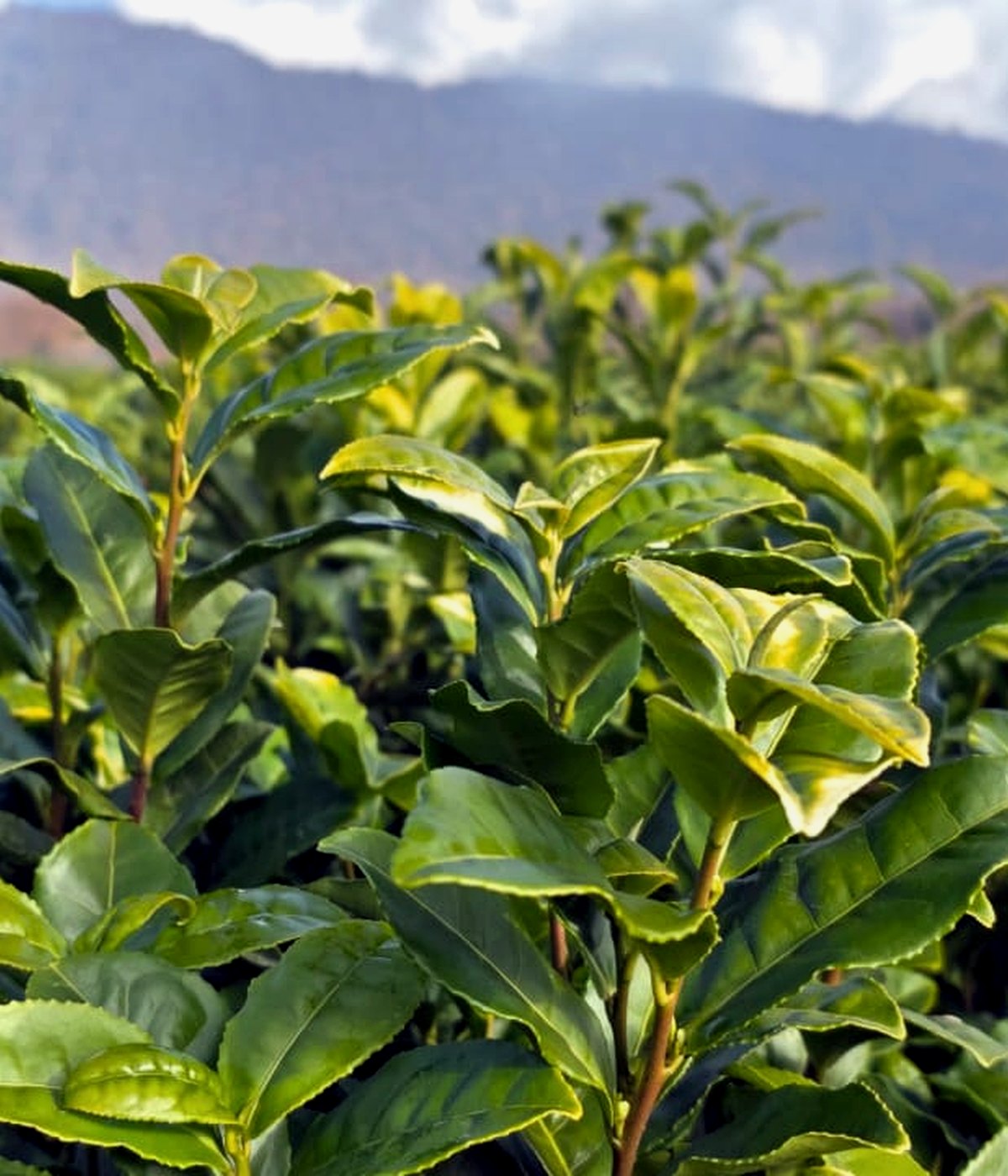
Southern Caucasus Slopes

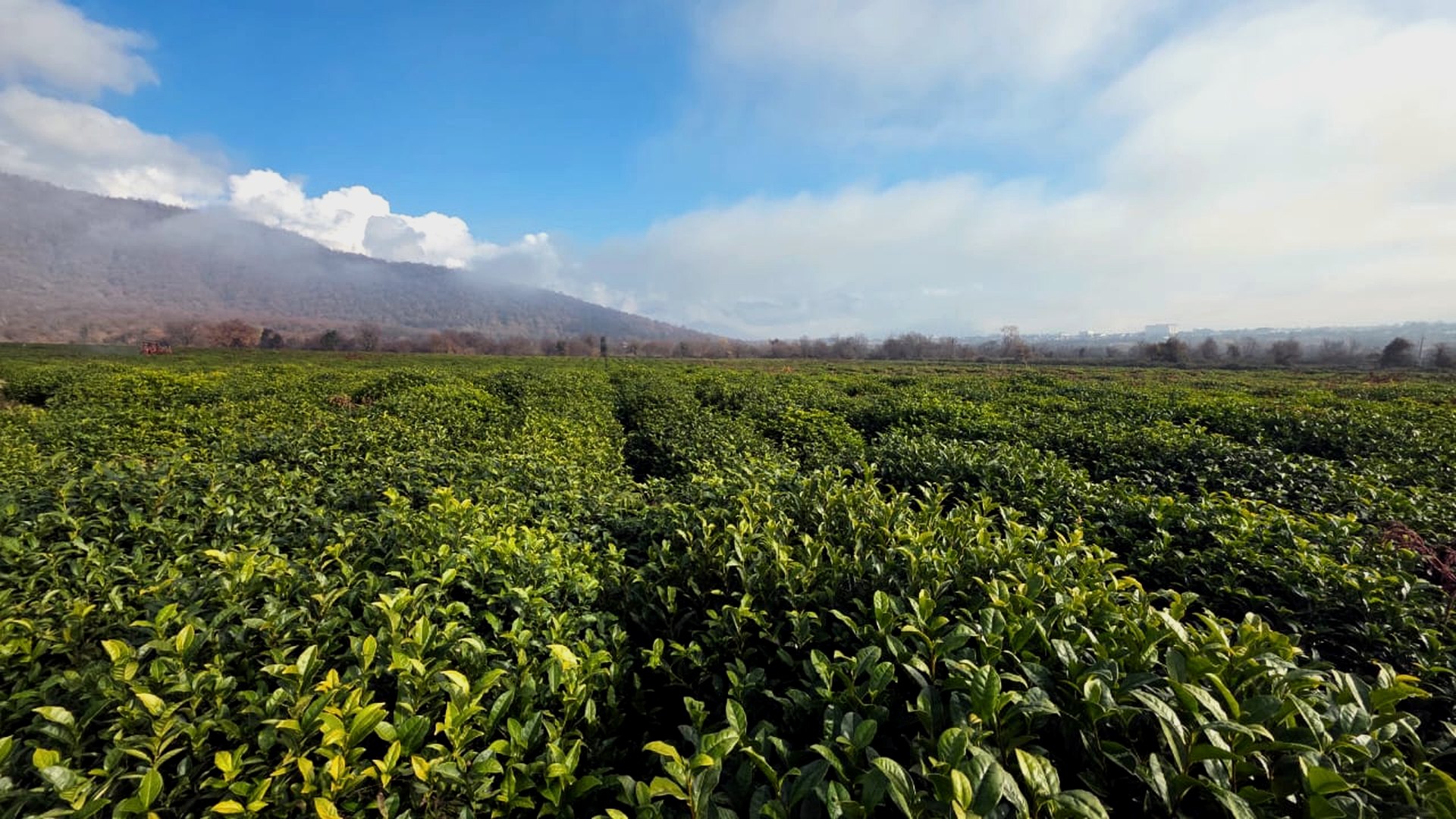
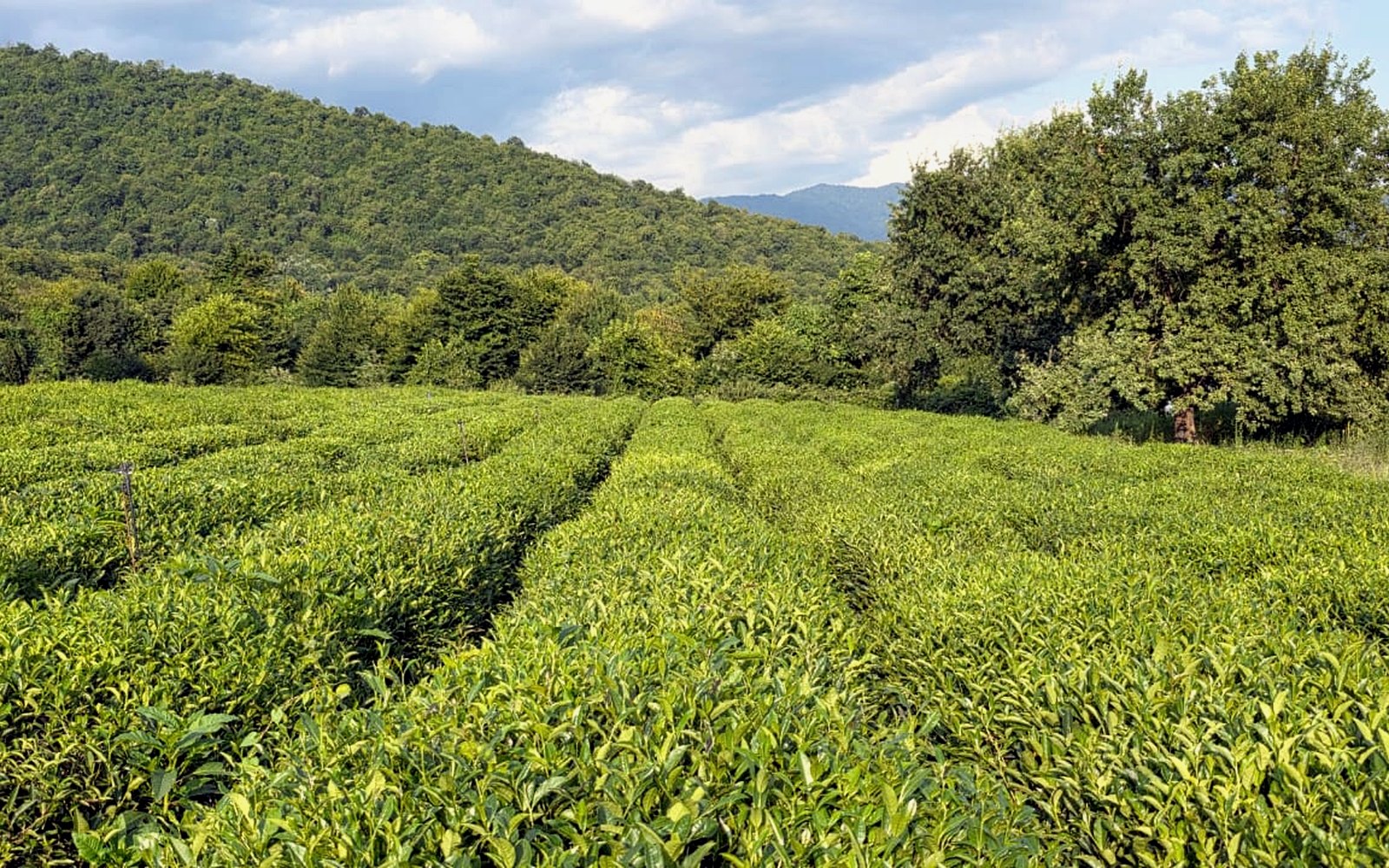
Our tea is grown on the southern slopes of the Greater Caucasus in northwestern Azerbaijan. The terrain rolls between broadleaf forest and open garden land. Winters are cold enough to force the plants into true dormancy. Summers are warm but tempered by mountain air and consistent rainfall.

This combination — long dormancy, steady rain, cool nights — is what allows a plant that originated in East Asia to produce tea of real complexity here in the Southern Caucasus. Slow growth concentrates flavour in the leaf.

41.64°N
Latitude
46.60°E
Longitude
1
Estate
[Photo: Wide view of the tea garden with Caucasus slopes in the background]

Brown Forest Soil, Slightly Acidic

[Photo: A handful of dark forest soil crumbling between fingers]

The estate sits on brown forest soil — Cambisol in the FAO classification — built up over centuries under deciduous forest cover. It holds moisture without waterlogging, drains freely, and carries the organic matter that feeds slow, steady growth.

We test annually. The pH runs between 5.5 and 6.5, inside the narrow band that tea plants prefer. We do not apply synthetic fertilisers or pesticides. Weed control is manual. Fertility comes from composted leaf litter and green manure crops worked in between rows.

5.5–6.5
Soil pH
0
Synthetic Inputs

Two Varieties, Both Cold-Adapted

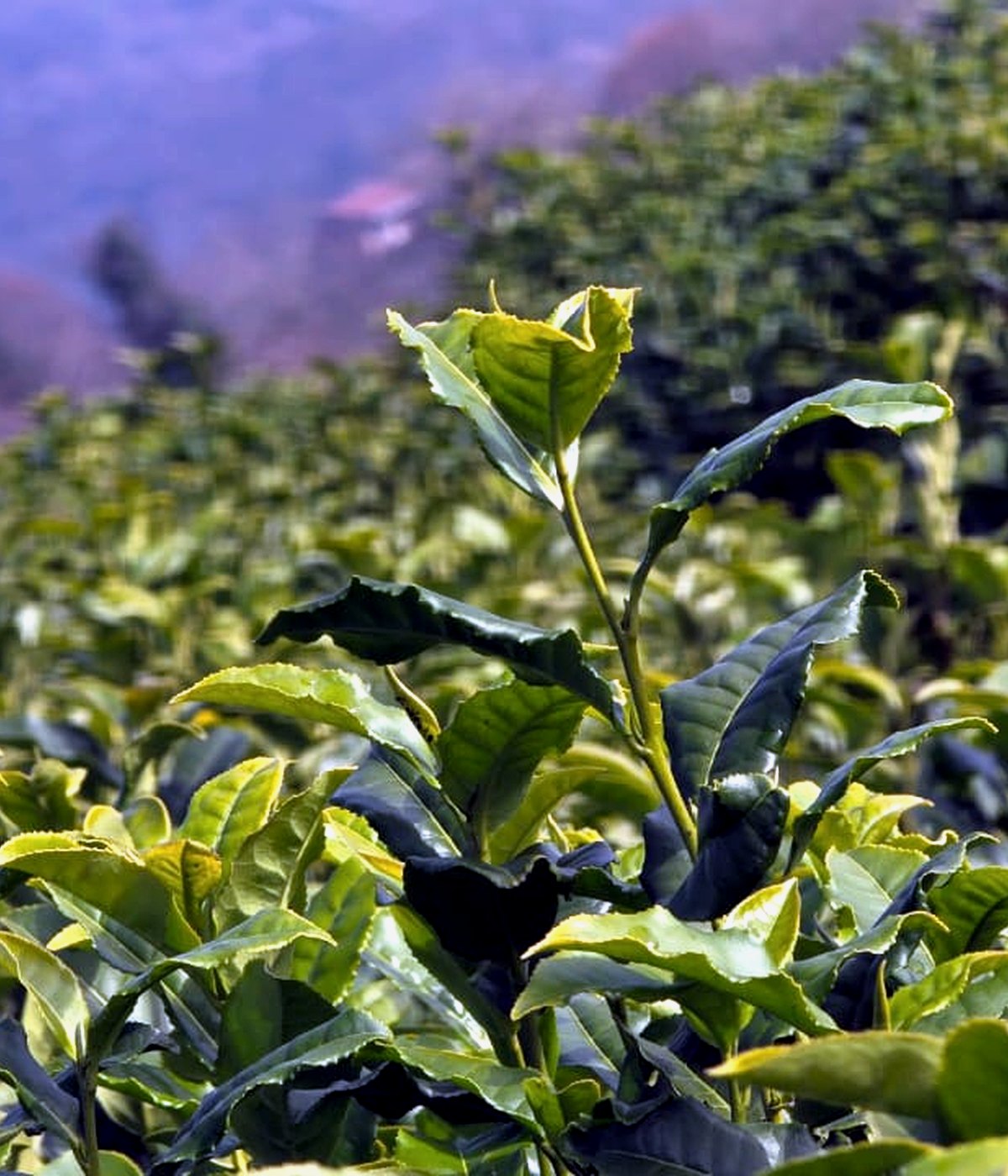
We grow only two cultivars, both selected decades ago for this climate. Both are Camellia sinensis var. sinensis — the small-leaf variety that tolerates cold dormancy.

Azerbaijan-2
Camellia sinensis var. sinensis

The workhorse of the estate. A vigorous, cold-tolerant cultivar that produces medium-sized leaves with balanced tannin and a naturally floral, sweet profile. Most of our black teas begin with Azerbaijan-2 leaf.

Floral Sweet Balanced
Azerbaijan-4
Camellia sinensis var. sinensis

A smaller-leaf cultivar with a more complex cup. Slower yielding, lower volume, but the basis of our Seçmə reserve. Produces layered, aromatic teas with a lingering sweetness on the finish.

Complex Aromatic Small Leaf

Orthodox, Start to Finish

Every grade we produce follows the same five-step orthodox method. No CTC machinery, no shortcuts.

01

Hand-picking

Two leaves and a bud, by hand, every single harvest. Machine harvesting damages the leaf and mixes grades. We sort at the point of picking.

02

Withering

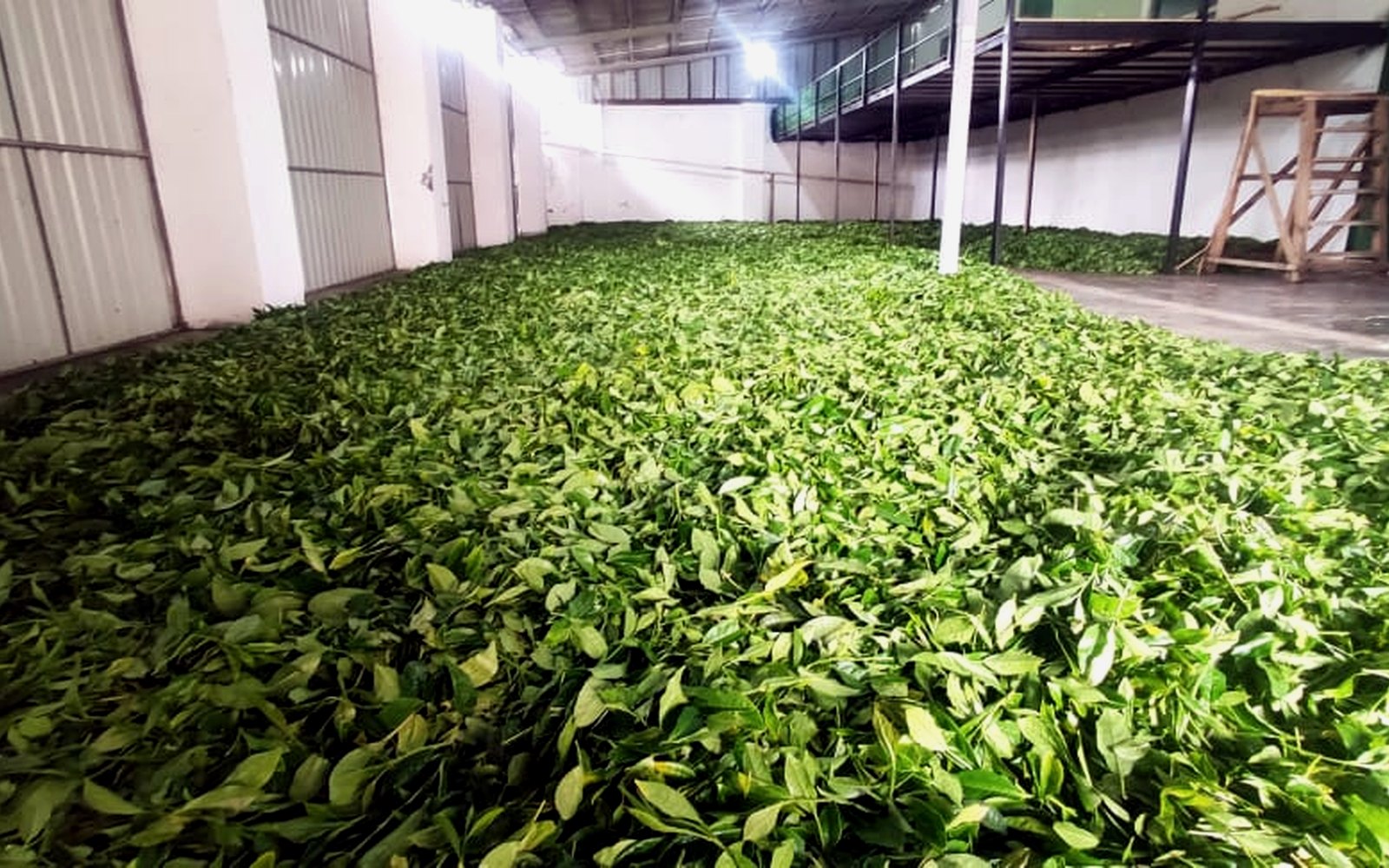
Fresh leaves rest on ventilated trays for 12 to 18 hours. Moisture drops, chemistry shifts, and the leaf becomes pliable enough to roll without tearing.

03

Rolling

Withered leaves are rolled to break the cell walls and release enzymes. Pressure and duration are adjusted by grade — gentler for whole-leaf, firmer for everyday grades.

04

Oxidation

Rolled leaves oxidise in controlled humidity and temperature for two to four hours. This is where black tea gets its colour and structure. We monitor every batch by eye and nose.

05

Drying

Oxidation is halted by drying at 90–110°C until moisture falls below 3 percent. The tea is then graded, rested, and packed for export.

See What the Land Produces

Seven grades, each shaped by a specific harvest window, cultivar, and processing decision.